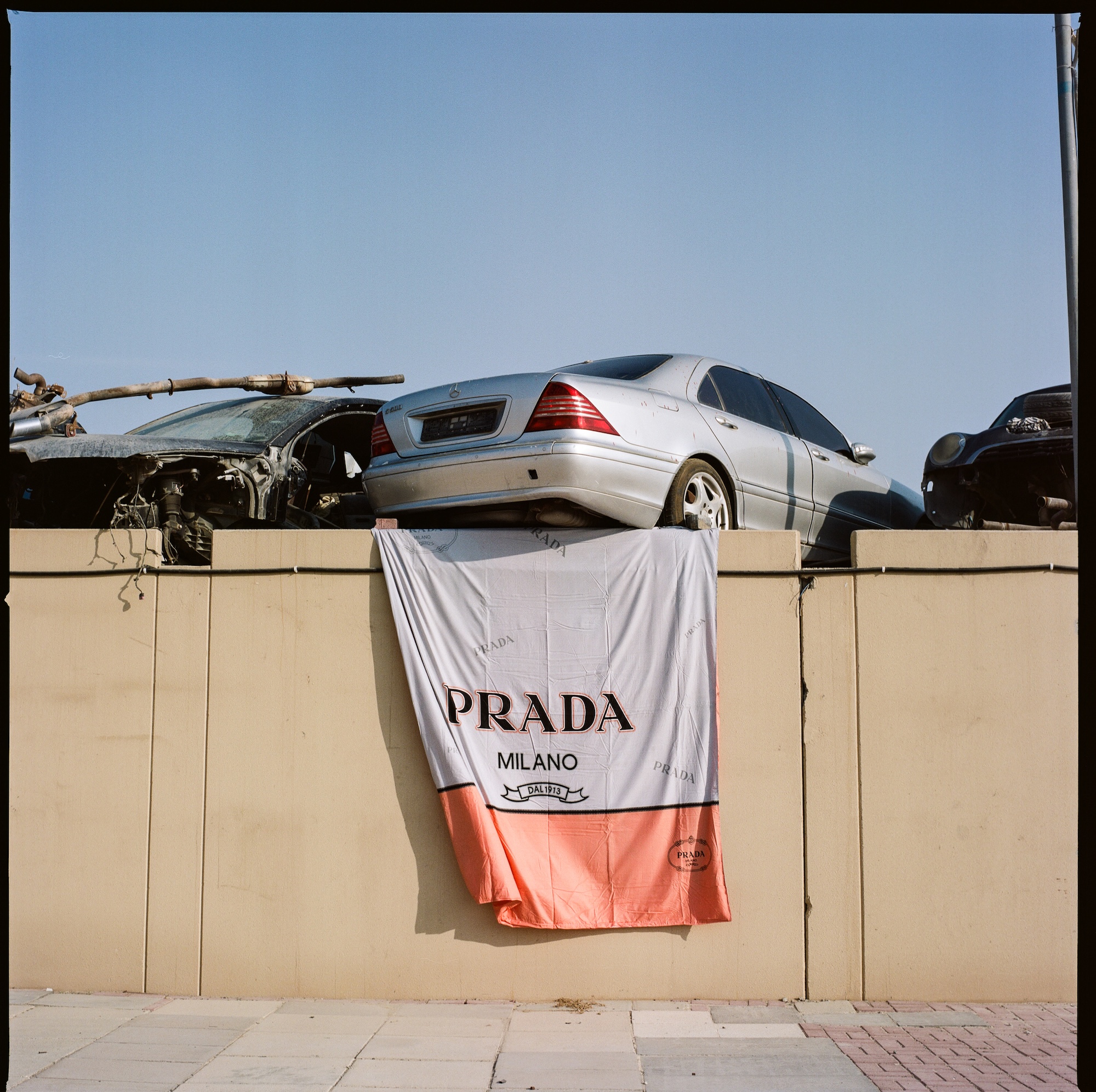
Julien Boudet on Why Bad Taste Makes Great Car Culture
The French artist and creative director discusses BMW's cultural influence, overlooked classics, and the fine line between good and bad taste.
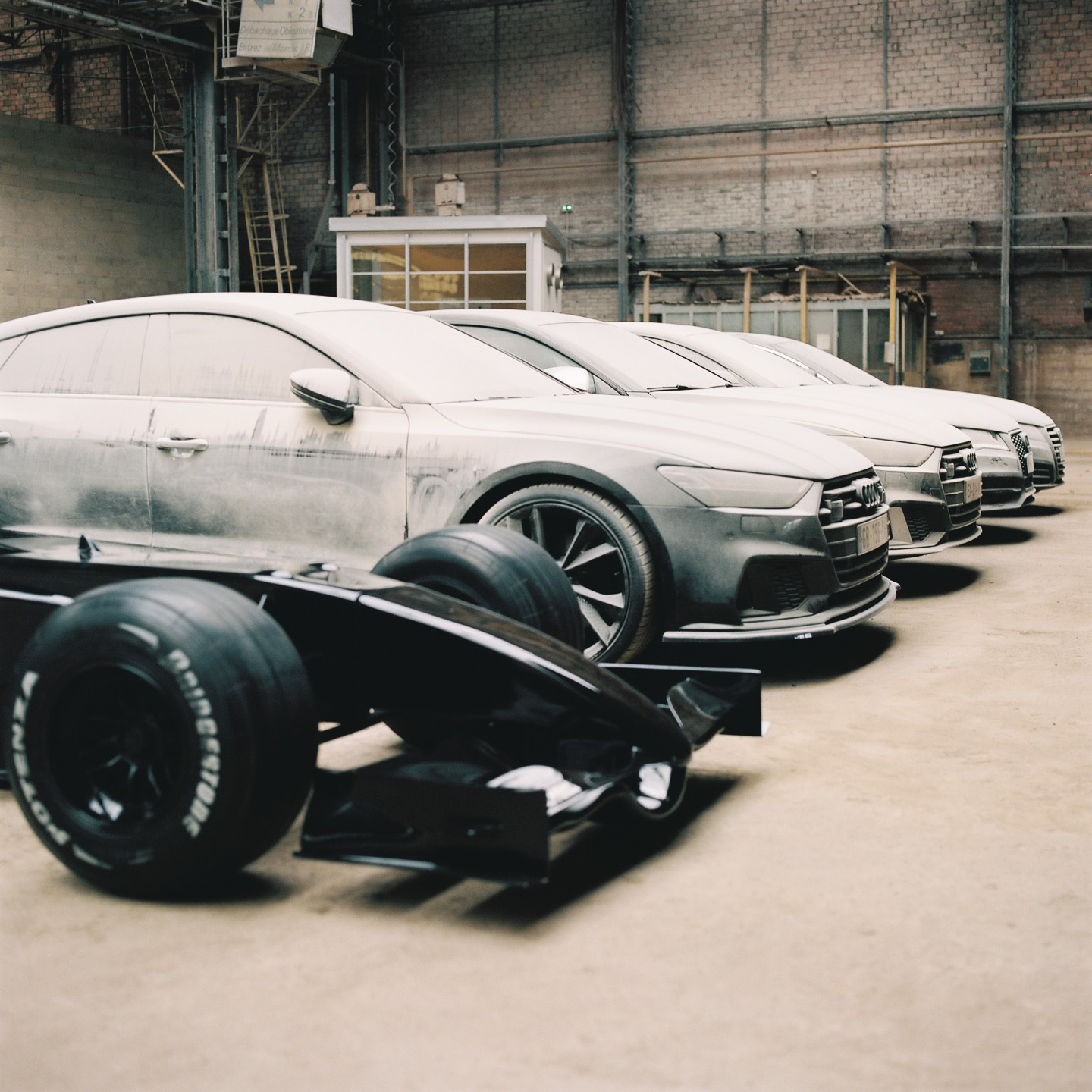
For Julien Boudet, a car's cultural significance has little to do with its price tag. The French artist and creative director, whose work spans photography, fashion, and automotive culture, is just as fascinated by forgotten economy cars as he is by rare supercars. “I'm sometimes more excited about discovering a weird, cheap little French car from the 1980s than seeing another multimillion-euro Ferrari,” Boudet tells CART Dept., reflecting on his love for Rétromobile in Paris.
For Boudet, taste is constantly evolving. Cars once dismissed as ugly or undesirable can become sought-after collectibles decades later. “I'm interested in that fine line between good taste and bad taste, and how something once considered ridiculous can suddenly become cool,” he explains.
That curiosity extends to art. Among his favorite automotive works is Bertrand Lavier's blue Ferrari 365 GT4 2+2, transformed through thick, expressive layers of paint. “There's something both absurd and brilliant about covering a Ferrari in thick blue paint,” Boudet says. “Such a simple gesture completely changes how we perceive an iconic object, challenging our ideas of luxury, taste, and artistic value.”
His multidisciplinary approach also informed his 2026 collaboration with fragrance house Matière Première. Titled Krokos Kozani, the project brought him to Greece to explore and document saffron before developing exhibitions combining photography and sculpture in Paris, Berlin, and Athens.
When asked which automotive brand holds the strongest position in culture, Boudet points to BMW, citing its influence across hip-hop, street racing, contemporary art, and motorsport. “BMW has managed to exist in both worlds: luxury and popular culture, the official and the unofficial,” he says. He highlights the BMW E30 as an example of how a single vehicle can represent different things across communities, from South African spinning culture to European street tuning. As he puts it, “A brand can control its image through advertising, but it can never fully control what people do with its products.”
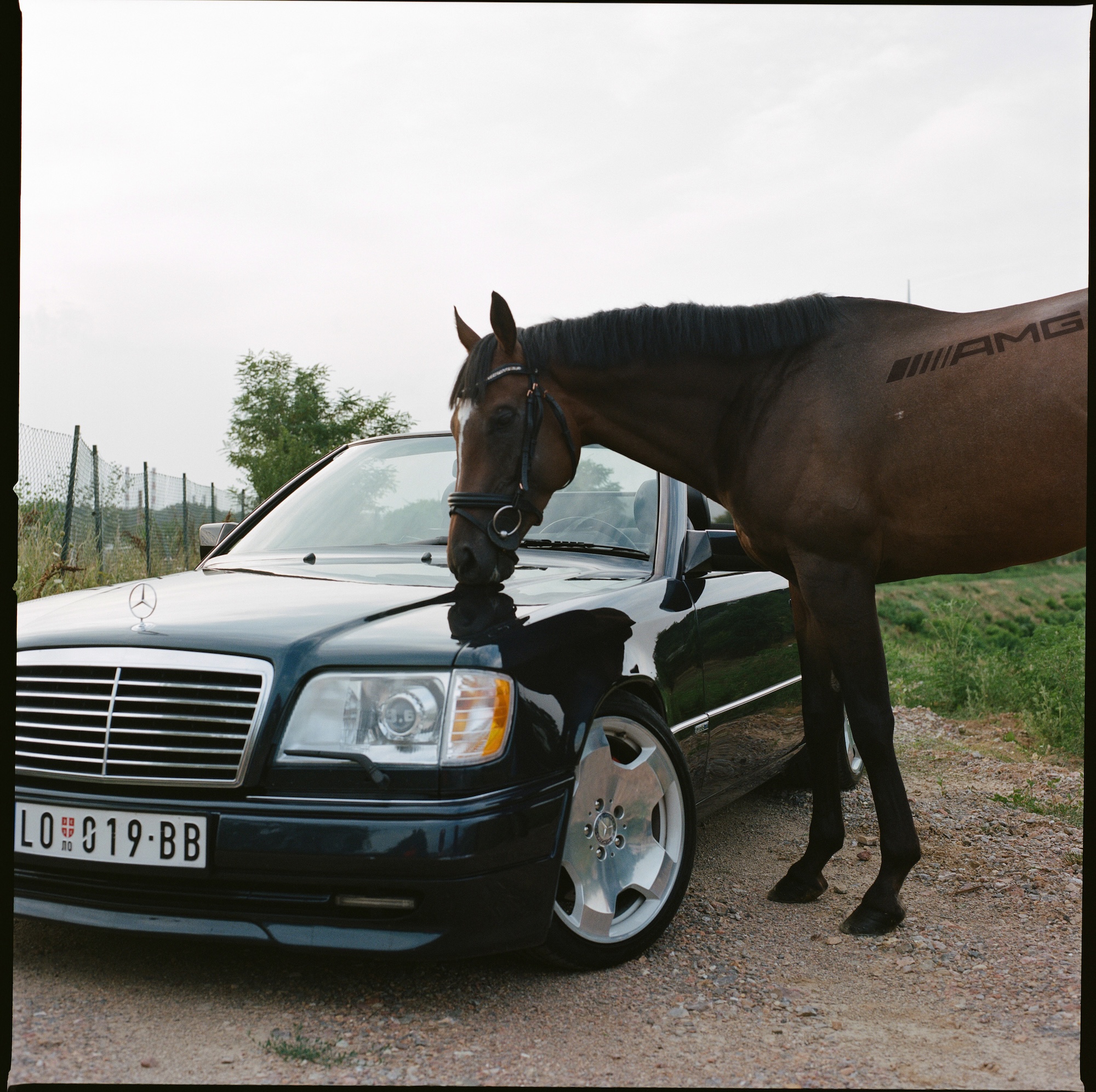
Boudet's fascination with automotive subcultures also shapes his travels. During a trip to Shanghai with BMW, he explored local automotive markets in search of miniature cars, bootleg accessories, and unusual custom parts. “Some of these objects were incredibly creative, sometimes funny, sometimes quite kitsch, but that's exactly what I enjoy discovering,” he recalls.
While enthusiastic about creative experimentation, Boudet takes a more traditional stance on electrifying classic cars, believing that an original engine is often essential to a vehicle's identity. “I think we sometimes become so obsessed with improving things that we forget what made them special in the first place. Not everything needs to be faster, quieter, or more efficient.”
If he could curate his own car exhibition, Boudet would focus on the 1990s and early 2000s, placing vehicles like the Renault Clio Williams alongside a Ferrari F40 or BMW E46 M3 GTR. Rather than emphasize price or prestige, he'd explore the music, fashion, and cultural references that made these cars meaningful to an entire generation.
Ultimately, Boudet sees automotive culture as something shaped by the people who embrace it rather than the manufacturers themselves. “Ultimately, it's the people, musicians, and communities who shape its legacy,” he says, reinforcing the idea that yesterday's undesirable car can become tomorrow's cultural icon, not because the machine has changed, but because the culture around it has.
Photography courtesy of Julien Boudet and Adam Katz Sinding