Inside Dekotora: The Blinged Out Trucking Subculture
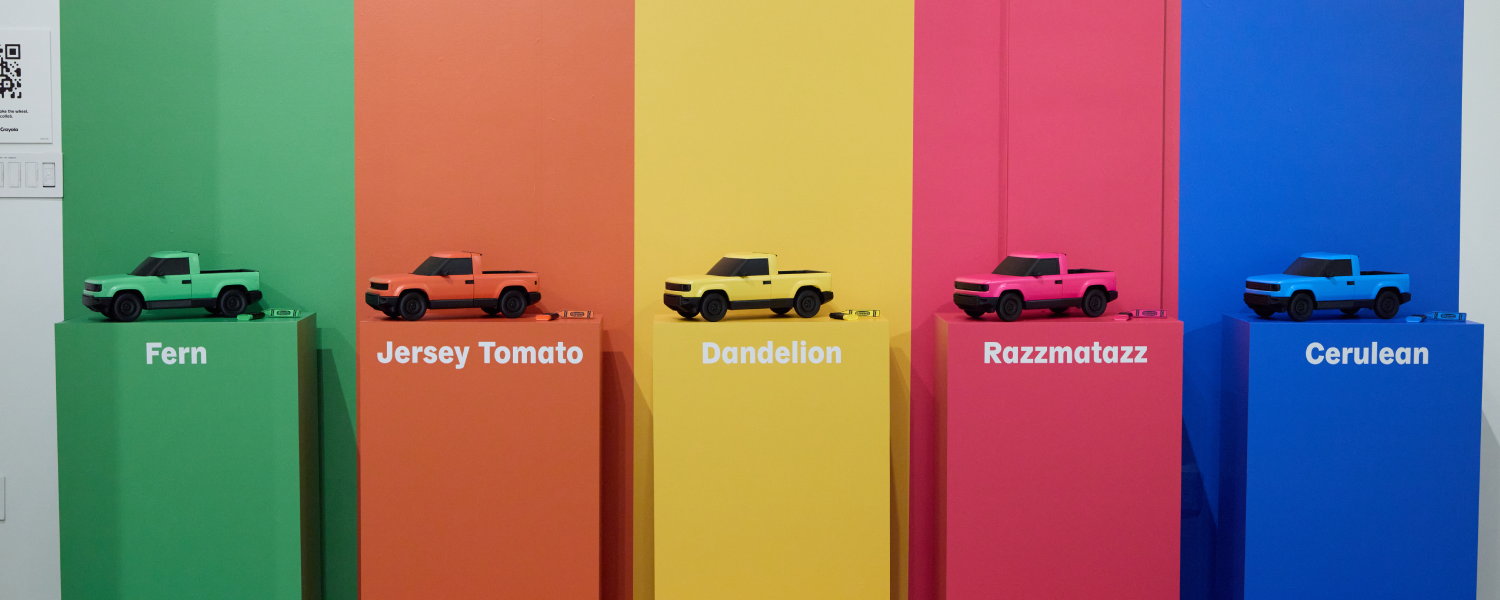
Just last year, Supreme debuted their own dekotora truck in Yokohama to much fanfare. In 2020, Japanese artist Poggy debuted Snack Yaro, a dekotora-themed bar in Tokyo. Going further back, Rich Brian’s ‘Dat $tick Remix’ music video in 2016 shows the rapper flanked by dekotora trucks and Kenmeri Skylines, while in the same year, Alessandro Michele’s industry-shifting version of Gucci based an entire campaign around the trucks for Fall/Winter 2016.
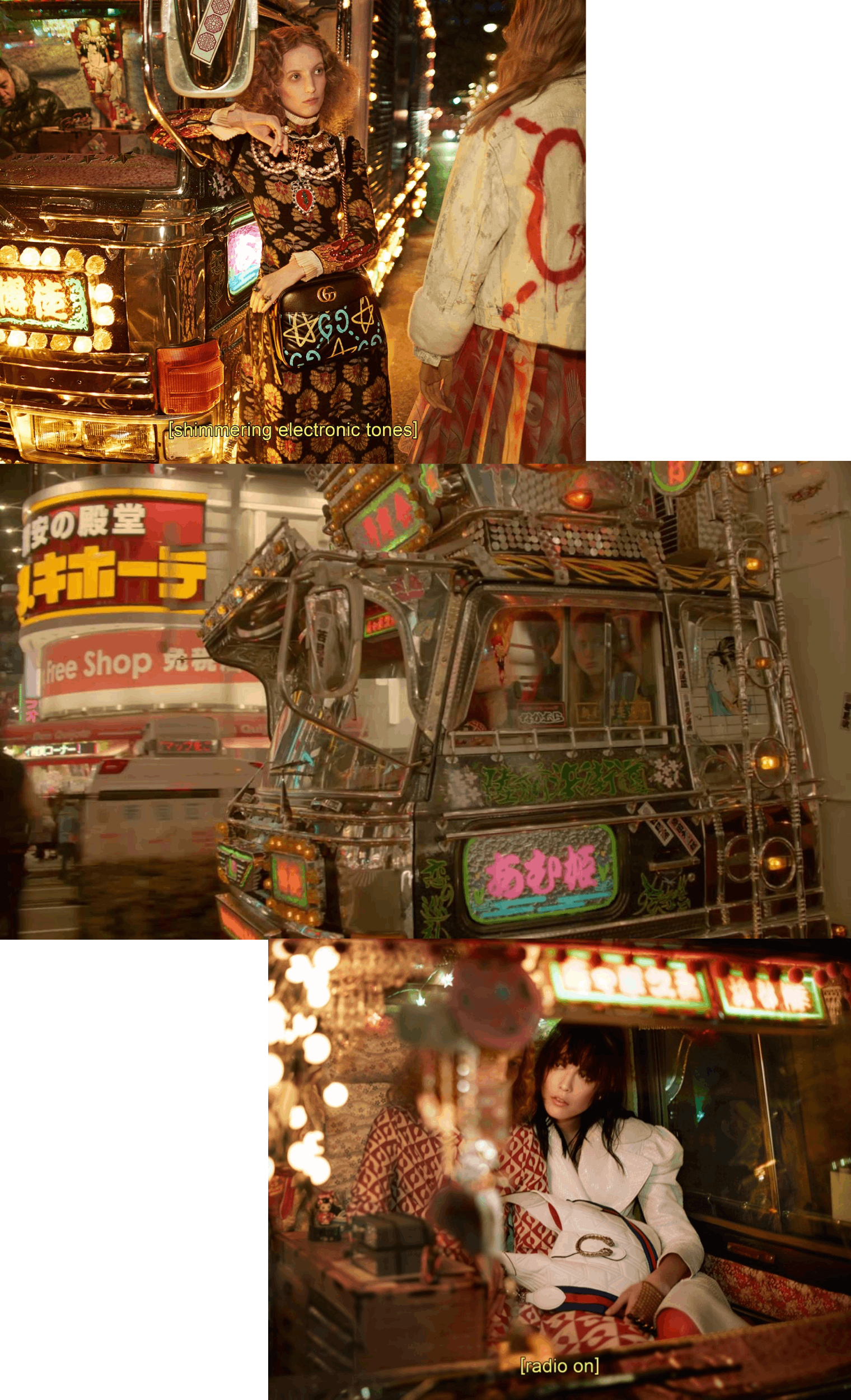
Shot by Glen Luchford, the campaign featured fellow photographer Petra Collins in front of the camera, amongst a host of models. They rode a dekotora throughout Tokyo, hitting teahouses and pachinko arcades along the way. Despite how most dekotora trucks are now no longer road-legal due to an increasing amount of regulations, they are still referenced by brands and creatives the world over. It seems like they never get old. Their rarified status as a defining feature of Japan's decidedly colorful automotive culture has surely aided in their global infamy.
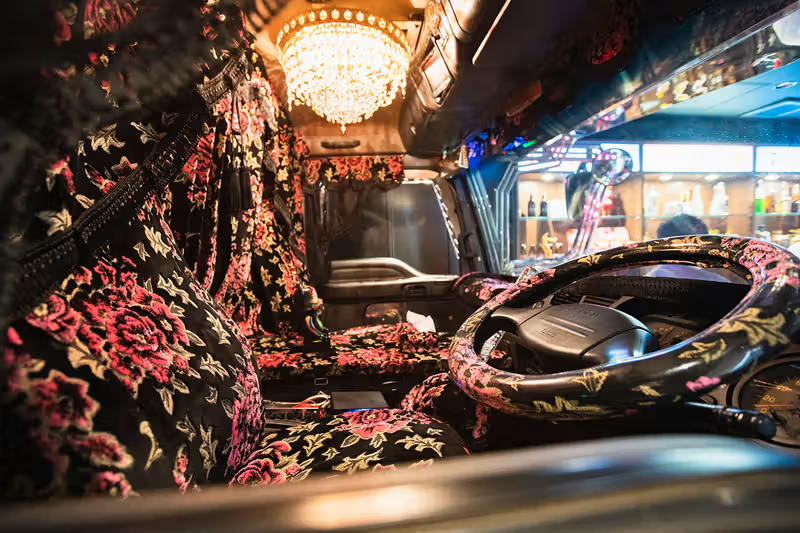
Dekotora, meaning ‘decorated trucks’, are semi-trucks famed for their Vegas-on-wheels aesthetic. Their interiors were often just as showy, sporting chandeliers hanging from the roof of the cabin and upholstery that would make a drag queen proud. But they still had a job to do, and an important one at that: they were often seen on the roads around Japan’s cities and countryside, serving as the nation’s reliable, if somewhat flamboyant, logistics service providers.
Fitted with scores of flashing led lights, chrome bodykits and murals, these trucks are customised to the tastes of their individual owners. The décor would often be specific to the owners’ hometowns, acting as travelling flags of identity and civic pride. Shops roughly the size of a small warehouse can be found around Japan, entirely dedicated to the art of dekotora, souped-up kei trucks, and other vehicles of similar ilk. One can find custom dashboard covers, multiple chandelier options, elaborate air horns that look like they belong in a marching band, individual led lights every color of the rainbow, lightboxes meant to hold custom nameplates, gear sticks, suicide knobs, seemingly every item one could think of, down to more practical (yet no less colorful) items like floormats and steering wheel covers. For the earnest soul who may have wandered in with only practical motives in mind, there are hose pipes, offered in just one color: grey.
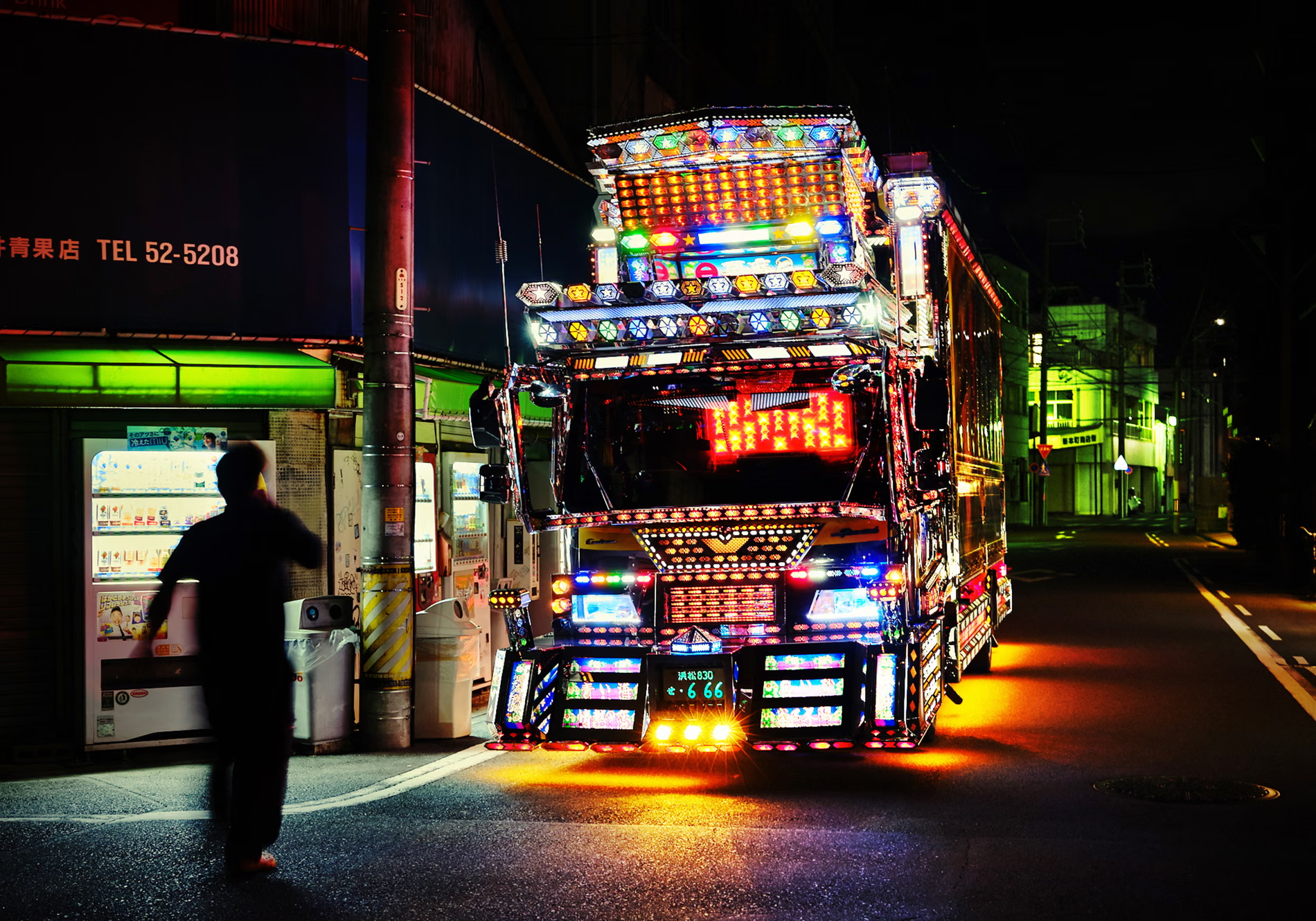
Originally introduced to mainstream culture by a series of comedy action movies titled Truck Yaro, these neon trucks went on to become symbolic of Japan’s electronics boom in the 1980s. During that time, the country was becoming a global leader in consumer electronics and saw the rise of videogame companies like Nintendo, which would soon define what gaming looked like for the rest of the world. Little wonder then, that dekotora, with all their electronic bells and whistles, became emblematic of the time.
Dekotora are now commonly seen as the relics of a fading counterculture, one interestingly almost exclusively reserved for the working class as many of dekotora enthusiasts at the time were actual truck drivers who drove the fruits of their labor almost every day. Nowadays it may still be possible catch a glimpse of an active few by driving around the countryside. A more direct approach would be attending the annual Osaka Auto Messe: an auto show where one could find both the latest in tuning culture and pieces of history like dekotora.
One particularly famous truck, who also happens to be the vehicular star of Michele’s FW16 Gucci campaign, is a Hino refrigerator truck named Lady Misaki. Frequently appearing on on Japanese TV and music videos long before her Gucci debut, she sports megawatt lights, a custom chrome chassis, and a bright mural of an eight-headed dragon in battle with a Shinto god. Lady Misaki belongs to Kazuya Sekino, a well-known ambassador for the dekotora community. Besides his famous truck acting as a cultural ambassador of sorts for dekotora all over Japan, Sekino, a trucker by trade, is also known for giving her charity work transporting supplies to earthquake and tsunami victims.
Lady Misaki was originally purchased for $2,850 USD, though Sekino has since spent millions in JPY on modifications. A dekotora often takes years, if not a full decade, to reach its final form; a fully decorated truck would cost five to six figures to outfit today depending on the size of the truck, the particular set of trappings, and her driver’s level of commitment. To buy a fully outfitted truck today would cost almost as much, and this particular pursuit would be reserved for either extreme hobbyists or those with deep pockets. For the rest of us, we’ll always have Gucci. Or Supreme. Or whatever comes next (and it will.)
Images: Supreme, Gucci, The Guardian, Snack Yaro.
.webp)
.webp)